What Hemp Farmers Can Earn: A Market Price Guide by Crop Type for 2026
Hemp is not one crop — it's three. The fiber farmer, the grain farmer, and the cannabinoid farmer operate in entirely different markets, sell to different buyers, and face different risk profiles. If you're weighing which direction to take your operation in 2026, the numbers matter. Here's what each market looks like right now.
Hemp Fiber: Steady Demand, Lower Risk
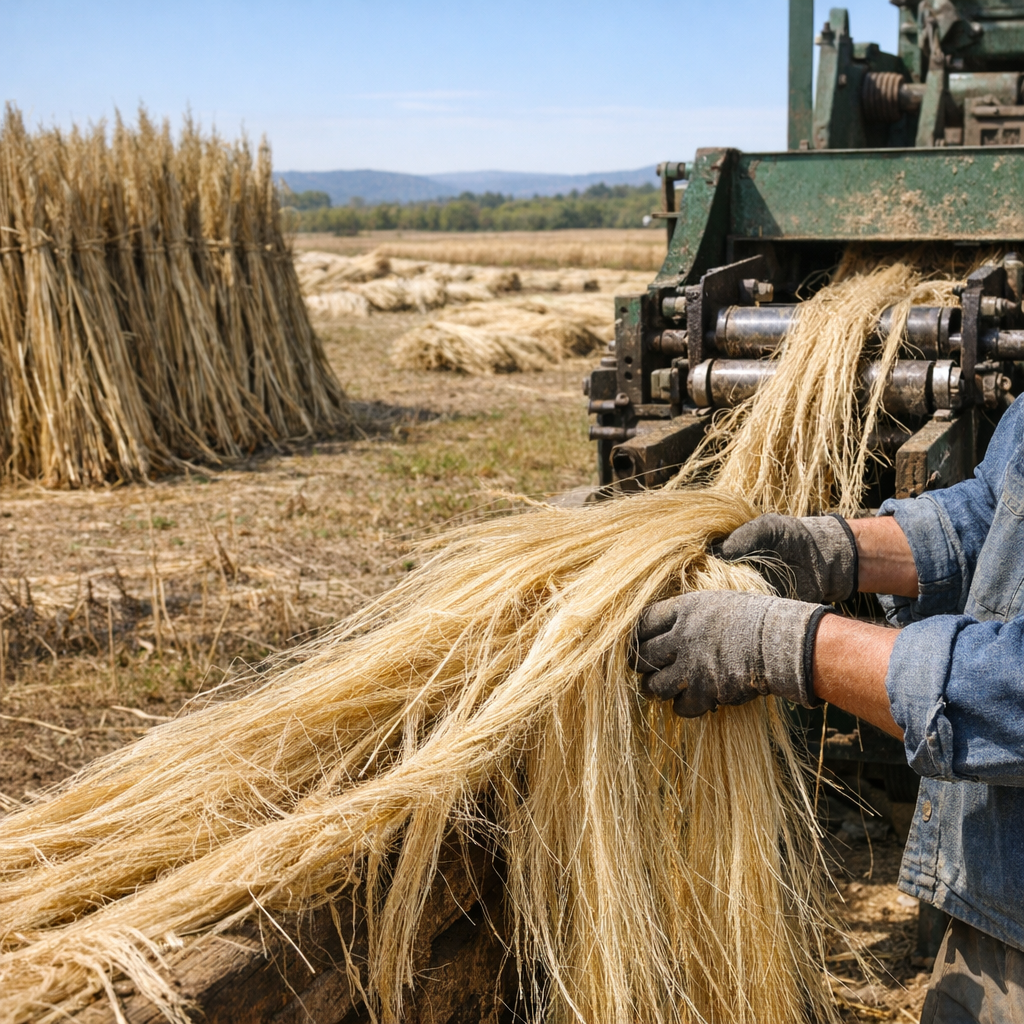
Industrial hemp fiber has experienced a quieter revival than CBD, but the fundamentals are solid. Automotive composite manufacturers, construction insulation producers, and textile companies have expanded sourcing from domestic growers — a trend supported in part by USDA's ongoing Domestic Hemp Production Program authorized under the 2018 Farm Bill (Pub. L. 115-334).
2026 market benchmarks for fiber hemp:
- Raw baled straw (unretted): $40–$80 per ton, depending on contract and region
- Retted/decorticated bast fiber: $350–$600 per ton in domestic specialty markets
- Hurd (core fiber): $80–$150 per ton for building products and animal bedding
- Gross revenue per acre: $250–$500, depending heavily on processor contract terms
Fiber is a lower-capital crop than cannabinoids, but it is also a contract crop — you generally need a buyer before you plant. Known active fiber processors include IND Hemp in Montana and South Bend Hemp in the Kansas City area. Fiber processing infrastructure varies significantly by region — contact your state department of agriculture for current processor directories and contract opportunities before committing acreage.
Fiber Farming Costs to Know
Fiber hemp seeding rates run higher (20–40 lbs/acre of certified seed), and harvest requires specialized equipment most row-crop farmers do not own. Custom harvesting contracts or cooperative arrangements are common. Net margins after input costs of $350–$600/acre tend to be thin unless you have a locked-in processor contract above spot price.
Hemp Grain: Improving Markets, Competitive Pricing
Hemp grain (seed for food and oil) has stabilized after years of low prices as domestic crush capacity has grown. Grain hemp is mechanically compatible with row-crop equipment, making it accessible to farmers transitioning from corn or soybeans.
2026 market benchmarks for grain hemp:
- Certified food-grade hempseed: $0.55–$0.85 per pound
- Hempseed oil (pressed, bulk): $5–$9 per kilogram
- Typical yield: 800–1,500 lbs/acre under good conditions
- Gross revenue per acre: $600–$1,200 at mid-range yields and prices
Grain hemp buyer networks vary by state and region. Growers in all target states should verify contract availability and local buyer activity before committing acreage, as spot markets can be thin. Contact your state department of agriculture or local extension office for current buyer and processor listings.
Grain Quality Requirements
Buyers specify moisture content (typically ≤10%), foreign matter tolerance, and — critically — compliance with the federal delta-9 THC threshold of 0.3% on a dry weight basis, as established by the 2018 Farm Bill and implementing USDA rules at 7 C.F.R. Part 990. Grain hemp varieties are generally low-risk for THC exceedance, but certified seed selection matters.
Cannabinoid Hemp: High Upside, High Complexity
CBD and CBG biomass markets compressed significantly from 2019–2022 peaks but have partially restabilized as oversupply corrected. Farmers entering this market in 2026 face a more realistic pricing environment — neither the boom nor the bust.
2026 market benchmarks for cannabinoid hemp:
- Dried CBD biomass (8–12% CBD): $8–$25 per pound, depending on cannabinoid concentration and lab verification
- High-potency CBG flower (trim/biomass): $15–$40 per pound
- Smokable flower (compliant, cured): $100–$300 per pound for premium product with verified COAs
- Estimated gross revenue per acre: $1,500–$6,000+, with significant variance by variety, yield, and processor relationship
All hemp grown for cannabinoid content in the target states must meet the federal 0.3% delta-9 THC threshold per the 2018 Farm Bill. State programs in Colorado, Indiana, Kentucky, Michigan, and Tennessee each maintain their own licensing and testing requirements — verify current rules with your state department of agriculture before planting.
Risk Factors for Cannabinoid Growers
The cannabinoid market rewards relationships with licensed extractors and verified buyers. Spot-market sales remain volatile. Female feminized seed costs are high ($1–$5 per seed at commercial scale), and post-harvest drying and storage infrastructure add capital requirements that fiber and grain crops do not.
Side-by-Side at a Glance
| Crop Type | Gross/Acre (Est.) | Capital Required | Buyer Risk | |---|---|---|---| | Fiber | $250–$500 | Low–Medium | High (contract-dependent) | | Grain | $600–$1,200 | Low–Medium | Medium | | Cannabinoid | $1,500–$6,000+ | High | Medium–High |
Estimates reflect 2026 market conditions. Individual results depend on contract terms, yields, input costs, and regional buyer availability.
Making the Decision That's Right for Your Farm
Market prices are only part of the equation. Your land, equipment, capitalization, and access to buyers all shape which hemp crop type makes sense for your operation. USDA's agricultural marketing resources and your state's department of agriculture extension programs are the most reliable starting points for current contract opportunities in your region.
Hemp farming is still evolving — and the farmers who build long-term relationships with processors, stay informed on regulatory changes, and choose varieties suited to their markets are the ones building sustainable operations.
Want to dig deeper into hemp policy, advocacy, and farming economics? Explore more resources across the iHemp network and get involved in state and federal hemp advocacy efforts that shape the market you operate in.