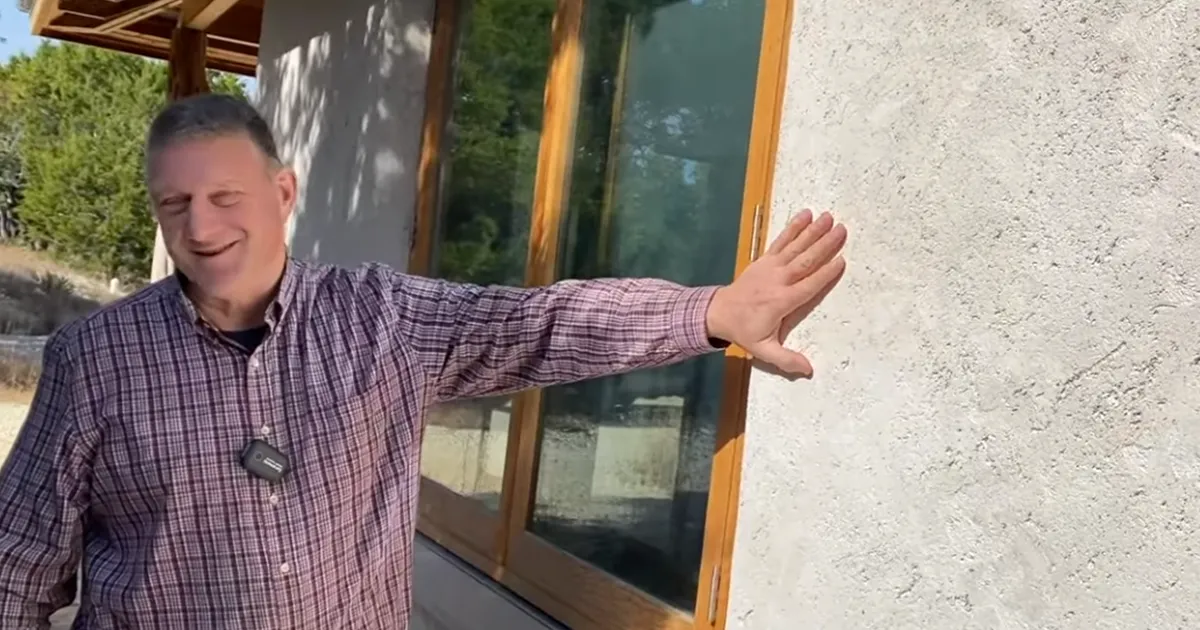
Hempcrete: The Sustainable Building Material Reshaping Green Construction
What Is Hempcrete?
Hempcrete is a biocomposite building material made from the inner woody core of the hemp stalk — called the hurd or shiv — mixed with a lime-based binder and water. The result is a lightweight, insulating material that has been used in construction for centuries, with documented use in France dating back to the 6th century.
Unlike conventional concrete, hempcrete is not a structural load-bearing material on its own. Instead, it is typically cast around a timber frame, where it serves as insulation, regulates moisture, and contributes to the thermal mass of a building.
The hemp plant at the center of hempcrete production is industrial hemp — the same plant defined under the 2018 Farm Bill (Agriculture Improvement Act of 2018) as Cannabis sativa L. containing no more than 0.3% delta-9 tetrahydrocannabinol (THC) on a dry weight basis. As of May 2026, hemp grown for industrial fiber and hurd is legal to cultivate under a USDA-approved state or tribal plan, or a USDA-issued license, provided it meets the federal threshold. Hemp cultivation laws and USDA licensing requirements are subject to change; readers should verify current federal and state requirements with official sources or consult qualified legal counsel before making cultivation or sourcing decisions.
Why Builders and Homeowners Are Paying Attention
The construction industry accounts for approximately 39% of global carbon dioxide emissions, according to the United Nations Environment Programme. As both regulators and consumers push for greener alternatives, hempcrete has attracted serious attention for several reasons:
Carbon Sequestration
One of hempcrete's most remarkable qualities is its ability to sequester carbon. Hemp plants absorb CO₂ during growth, and that carbon remains locked within the hurds long after harvest and incorporation into a building. Some lifecycle analyses have identified hempcrete as a potentially carbon-negative material, meaning it may store more carbon than is emitted during its production — a rare distinction in the building materials world. A 2010 lifecycle assessment conducted by researchers at the University of Bath and published in the Journal of Biobased Materials and Bioenergy found that hemp-lime construction systems can achieve net carbon sequestration over a building's lifetime, though results vary based on mix ratios, transport distances, and regional energy grids (Boutin et al., J. Biobased Mater. Bioenergy, 2010; see also BRE Group research on bio-based construction materials at https://www.bregroup.com).
Thermal and Moisture Regulation
Hempcrete walls are highly breathable. The material absorbs and releases moisture, helping to regulate indoor humidity naturally and reduce the risk of condensation and mold — a persistent problem in tightly sealed conventional buildings. Its thermal mass means it absorbs heat slowly during the day and releases it at night, contributing to more stable interior temperatures.
Durability and Longevity
Despite its lightweight nature, hempcrete becomes harder over time as the lime binder continues to carbonate and mineralize. Well-maintained hempcrete structures in Europe have stood for decades. The material is resistant to pests and fire, and because it is breathable, it does not trap moisture in ways that accelerate rot in surrounding timber.
Hemp Insulation: Beyond the Block
Hempcrete is the highest-profile hemp building product, but it is far from the only one. Hemp insulation — typically sold as flexible batts or rolls made from hemp fibers — is gaining market share in the residential and commercial construction sectors.
Hemp fiber insulation offers thermal and acoustic performance comparable to conventional fiberglass or rock wool products, with the added benefit of being a rapidly renewable, low-embodied-carbon resource. Unlike some synthetic insulation products, hemp insulation does not require respirators for installation and does not irritate the skin.
Hemp insulation is currently available through specialty building material suppliers in the United States and is widely used across the United Kingdom and continental Europe, where sustainable construction standards are more mature.
Challenges and Considerations
Hempcrete is not without its limitations, and honest education requires acknowledging them:
- Not a structural material on its own. Hempcrete must be used with a structural frame — typically timber — and cannot replace load-bearing concrete in conventional structural roles.
- Skilled installation required. Mixing ratios, lime quality, and curing conditions all affect performance. Inexperienced installation can lead to inconsistent results.
- Regional availability. While hemp hurd supply is growing in the U.S. following increased cultivation under post-2018 Farm Bill licensing, sourcing quality materials can still be challenging in some regions.
- Building codes and permitting. Hempcrete falls outside many conventional building codes in the United States. Builders often work with local authorities under performance-based code pathways or alternative compliance approaches. The International Residential Code does not yet have a dedicated hempcrete section, though advocacy organizations such as the Hemp Industries Association and the US Hemp Building Association are actively working to change that.
The Road Ahead for Hemp in Construction
Growing consumer demand for green building, combined with increasing contractor familiarity with the material, positions hempcrete for meaningful growth in the U.S. market. The passage of the 2018 Farm Bill removed federal barriers to industrial hemp cultivation, and successive growing seasons have gradually built the domestic supply chain necessary to support construction-scale demand.
For architects, builders, and homeowners interested in reducing their environmental footprint, hempcrete and hemp insulation represent proven, well-documented tools — not experimental futures.
Learn More and Get Involved
Hemp's role in sustainable construction is just one chapter in a much larger story. The iHemp network is committed to providing accurate, up-to-date education on every dimension of the hemp plant — from fiber and construction to wellness and advocacy.
Explore more of our hemp education resources, and consider supporting hemp advocacy in your state. Stronger state hemp programs mean more domestic supply for farmers, builders, and consumers alike. The future of sustainable construction may well be growing in a field near you.