Hemp Seed Oil vs. CBD Oil: What's Actually Different About What's in the Bottle?
Hemp Seed Oil vs. CBD Oil: What's Actually Different About What's in the Bottle?
Walk through any health food store or scroll through an online marketplace and you'll see both hemp seed oil and CBD oil on the shelf, often side by side. The labels look similar. The plant on the packaging is the same. The price, however, can be wildly different.
That price gap isn't random — and neither is the confusion. These are genuinely different products with different ingredients, different sourcing methods, and different reasons someone might reach for one over the other. Getting them mixed up means you might pay a premium for something you didn't expect, or not get what you were actually looking for.
Here's the plain-language breakdown.
They Come From the Same Plant — But Different Parts
Both hemp seed oil and CBD oil come from Cannabis sativa — specifically the hemp variety that contains no more than 0.3% delta-9 THC on a dry weight basis, as defined by the 2018 Farm Bill (Agriculture Improvement Act of 2018, Pub. L. 115-334).
That's where the similarity ends.
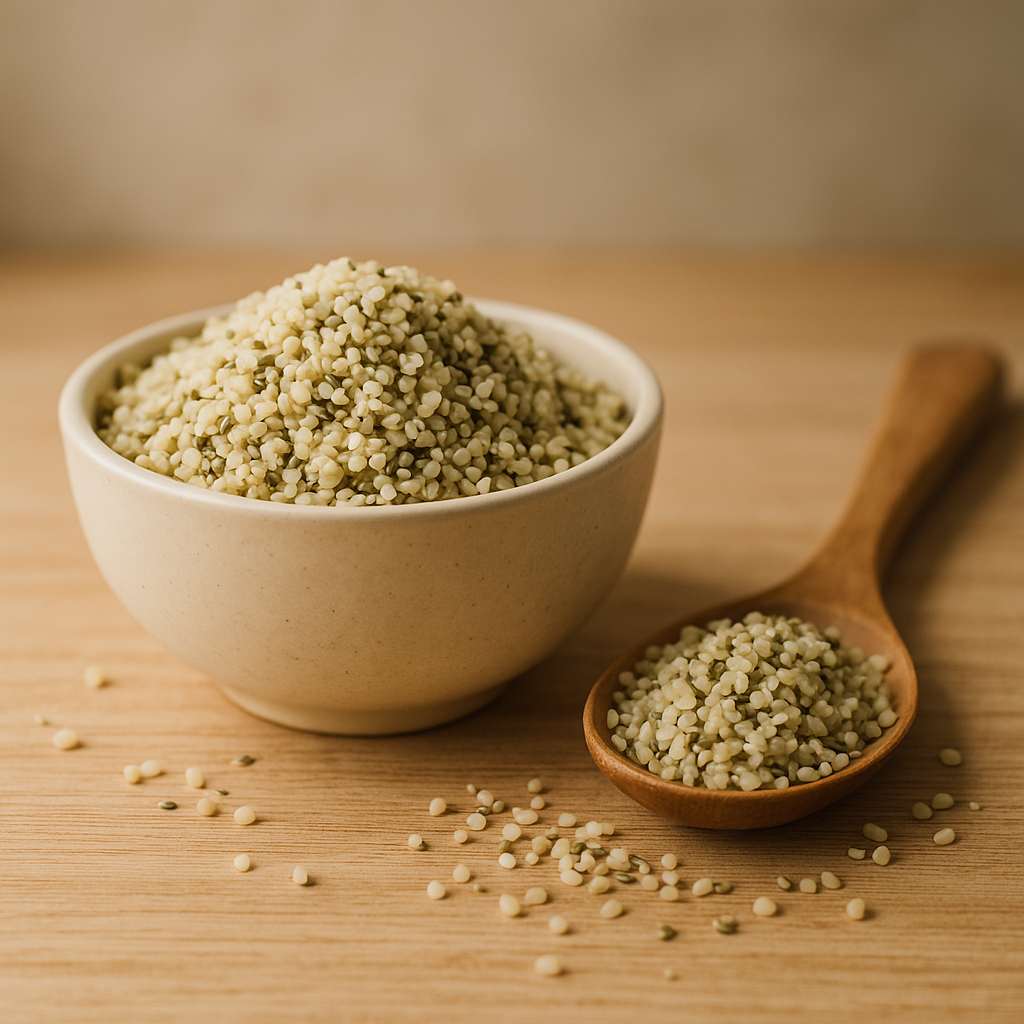
Hemp seed oil is pressed from the seeds of the hemp plant — the same cold-pressing method used to produce oils like flaxseed or sunflower oil. Hemp seeds contain virtually no cannabinoids. When a manufacturer presses hemp seeds for oil, the result is a nutritional oil rich in omega-3 and omega-6 fatty acids, gamma-linolenic acid (GLA), vitamin E, and other naturally occurring nutrients. There is no CBD in hemp seed oil. There is no THC. There are no cannabinoids at all.
CBD oil is extracted from the flowers, leaves, and stalks of the hemp plant — the aerial parts where cannabinoids like cannabidiol (CBD) are produced in the plant's resin glands (trichomes). Extraction typically uses CO₂, ethanol, or other solvents to pull out cannabinoids, terpenes, and other plant compounds. The resulting extract is then usually suspended in a carrier oil — often MCT (coconut-derived) oil, hemp seed oil, or olive oil — and sold as CBD oil or hemp extract.
What's Actually in Each Bottle
| | Hemp Seed Oil | CBD Oil | |---|---|---| | Source | Pressed hemp seeds | Extracted from hemp flowers/leaves/stalks | | Cannabinoids | None | Yes (CBD, and potentially minor cannabinoids) | | THC | None | Trace amounts (≤0.3% under 2018 Farm Bill) | | Primary use case | Culinary oil, nutritional supplement, skincare ingredient | Cannabinoid supplement | | Typical label terms | "Hemp seed oil," "hemp oil," "cannabis sativa seed oil" | "CBD oil," "hemp extract," "full spectrum," "broad spectrum," "CBD isolate" |
One common point of confusion: some CBD oil products use hemp seed oil as the carrier. So you might buy a CBD oil and see "hemp seed oil" listed in the ingredients — because it's the base that carries the CBD extract. That doesn't make it "just hemp seed oil." The cannabinoid content still comes from the hemp extract that's dissolved into it.
The Label Problem
The terminology on hemp product labels has historically been inconsistent. Some manufacturers labeled CBD oil broadly as "hemp oil" — which led to consumer confusion and regulatory scrutiny from the FDA. The FDA has issued warning letters to companies making misleading label claims about hemp products.[^3]
The cosmetic industry uses the INCI (International Nomenclature of Cosmetic Ingredients) name "Cannabis Sativa Seed Oil" for hemp seed oil — which sometimes appears on skincare labels and gets mistaken for CBD-containing products.
Bottom line on labels: If the label does not state a CBD milligram content, or does not use the terms "hemp extract," "full spectrum," "broad spectrum," or "CBD isolate," there is likely no CBD in the product. Hemp seed oil is almost always labeled with a volume (fluid ounces) rather than a cannabinoid potency (mg CBD).
Why the Distinction Matters for Shoppers
Hemp seed oil is widely available in grocery stores, typically at a much lower price point than CBD oil. It's a legitimate nutritional product — used in cooking, added to smoothies, and used as an ingredient in skincare formulations.
CBD oil is a different category. It contains cannabidiol, a cannabinoid that has been the subject of substantial scientific and regulatory interest. The FDA has approved one CBD-based prescription drug (Epidiolex) for certain seizure disorders.[^1] As of May 2026, the FDA has not finalized a regulatory pathway for CBD as a dietary supplement or as an ingredient in conventional food.[^2] Consumers interested in CBD products should verify current regulations in their state, as rules vary.
These statements have not been evaluated by the FDA. This product is not intended to diagnose, treat, cure, or prevent any disease.
How to Read a Hemp Product Label
Before you buy, check for:
- Milligrams of CBD listed — Real CBD oil will state potency (e.g., "750mg CBD per bottle")
- Certificate of Analysis (COA) — Reputable CBD brands provide third-party lab results confirming cannabinoid content
- Product type — "Full spectrum" contains CBD plus minor cannabinoids and trace THC; "broad spectrum" contains CBD and minor cannabinoids with THC removed; "isolate" is pure CBD
- Carrier oil ingredient — Hemp seed oil in the ingredient list does not mean the product contains CBD
Hemp seed oil will simply list the oil itself with no cannabinoid content claim and no COA.
The Short Version
Hemp seed oil = nutrition, no cannabinoids, pressed from seeds.
CBD oil = cannabinoid extract, sourced from hemp flowers and aerial parts, contains CBD.
They're both legal hemp-derived products under federal law as defined by the 2018 Farm Bill — but they're not interchangeable. Knowing the difference means making a more informed choice at the shelf.
Want to stay informed about hemp law, consumer advocacy, and what's happening in the hemp industry? Explore more at the iHemp network and join advocates working to build a better-informed hemp community across the country.
[^1]: FDA, "FDA Approves First Drug Comprised of an Active Ingredient Derived from Marijuana to Treat Rare, Severe Forms of Epilepsy," June 25, 2018. https://www.fda.gov/news-events/press-announcements/fda-approves-first-drug-comprised-active-ingredient-derived-marijuana-treat-rare-severe-forms [^2]: FDA, "What You Need to Know (And What We're Working to Find Out) About Products Containing Cannabis or Cannabis-Derived Compounds, Including CBD," current consumer resource (verify date at source). https://www.fda.gov/consumers/consumer-updates/what-you-need-know-and-what-were-working-find-out-about-products-containing-cannabis-or-cannabis [^3]: FDA Warning Letters and Test Results for Cannabidiol-Related Products. https://www.fda.gov/inspections-compliance-enforcement-and-criminal-investigations/warning-letters/warning-letters-cannabidiol-related-products